
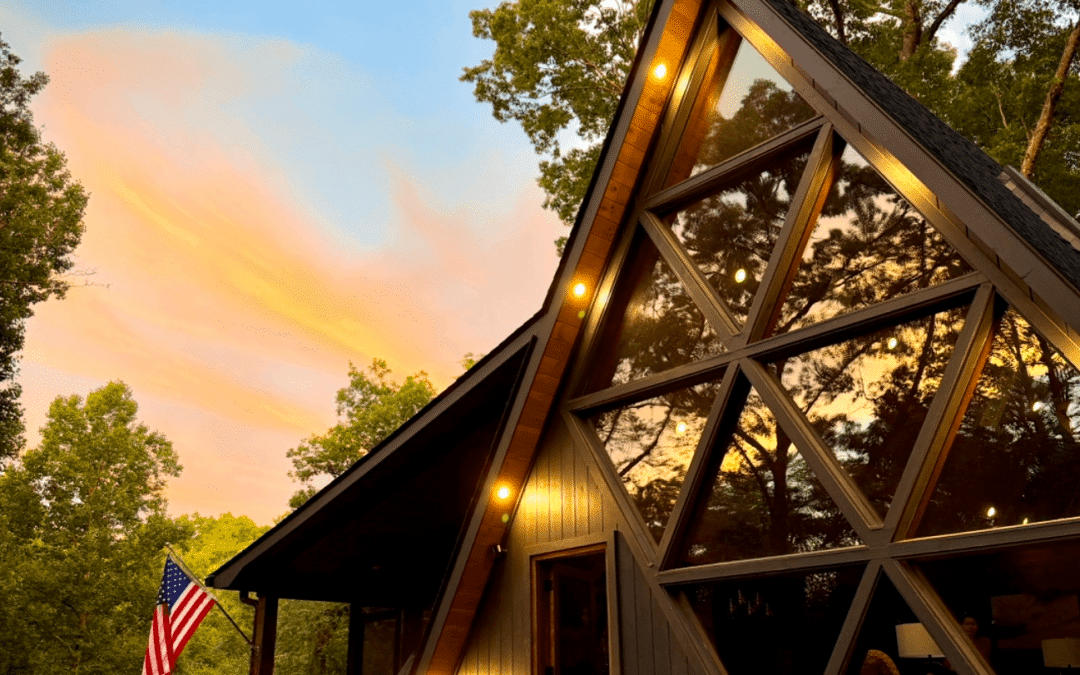
Why mountain cabins feel less like an escape and more like a return.
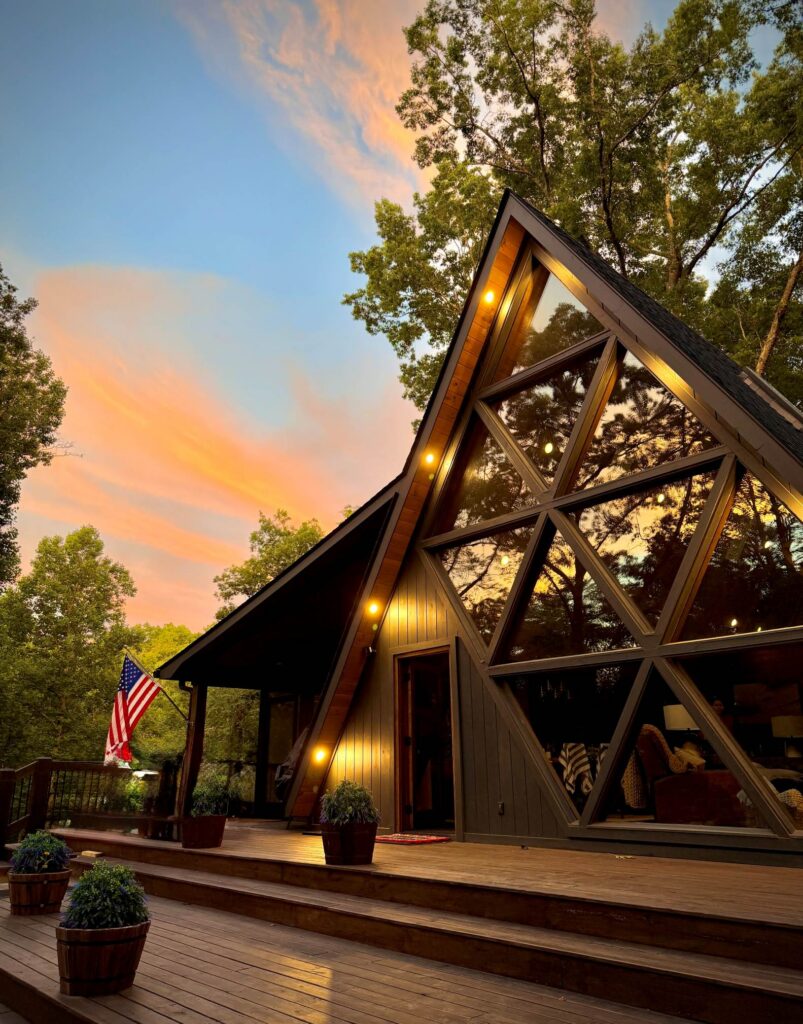
The appeal of a mountain cabin may be older than civilization itself. Photo by Chris Bostain @chasingmagellan
By Wednesday afternoon, something familiar happens.
You start browsing mountain cabins.
At first, you’re “just looking.” Then you’re comparing fireplaces, windows, hot tubs, and wooded views. A weekend away starts to feel less like a luxury—and more like a necessity.
That instinct isn’t just wanderlust. It’s biology. A mountain cabin recreates an ancient environment our brains recognize.
Our brains weren’t built for constant notifications, artificial light, to-do lists, and screen time. They evolved in forests, around campfires, near water, under changing skies. When we crave those environments, we’re responding to something deeply wired inside all of us.
That’s why a mountain cabin can feel restorative before you’ve even unpacked.
Nature Doesn’t Just Feel Good—It Changes Us
Research consistently shows that time in nature lowers stress, improves mood, and restores focus. Even short exposure can help reverse mental fatigue.
This is known as Attention Restoration Theory: modern life demands constant focus, while nature allows the brain to recover.
That “clear-headed” feeling after a weekend away is real.
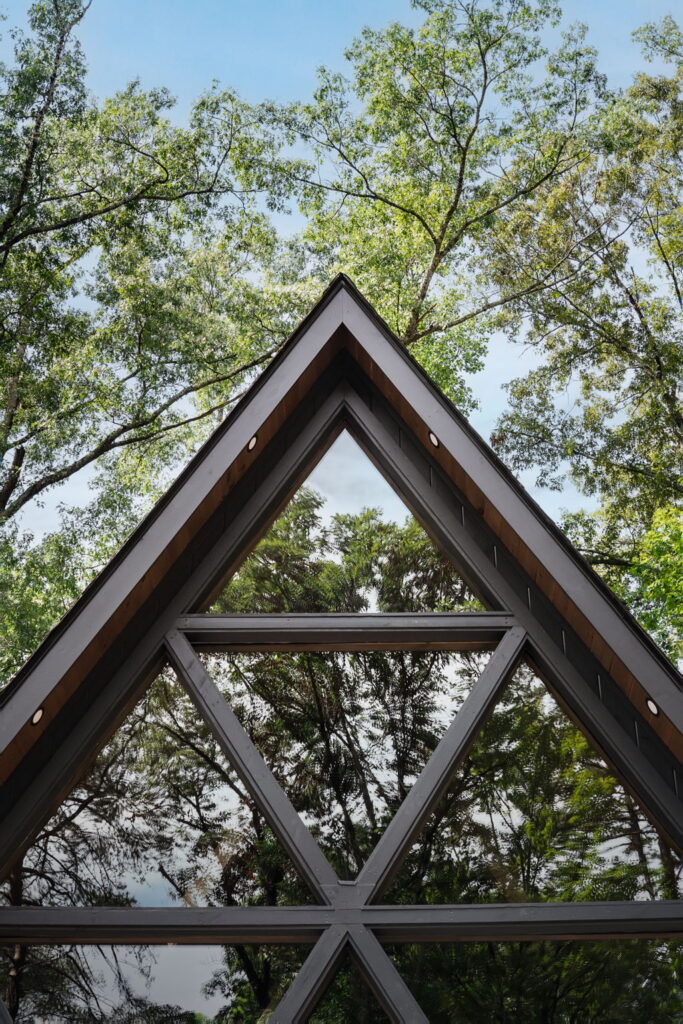
Even after thousands of generations, the forest still has the power to slow us down. Photo by Cheyenne Crawford @cheyennecrawford.photo
Why Forests Feel Different
Think about last time you walked through a forest.
Researchers believe natural environments ask something different of our attention than modern life does.
Forests reduce stress in subtle ways: softer sounds, natural patterns, cooler air, filtered light. Japan’s Shinrin-yoku (“forest bathing”) encourages simply being present in nature. Studies link it to lower stress hormones and improved mood. The goal is simply to immerse yourself in the sights, sounds, and smells of the forest.
You don’t need to hike 10 miles to experience that feeling. Sometimes it’s just coffee on a quiet porch, letting the forest do what it’s been doing for thousands of years.
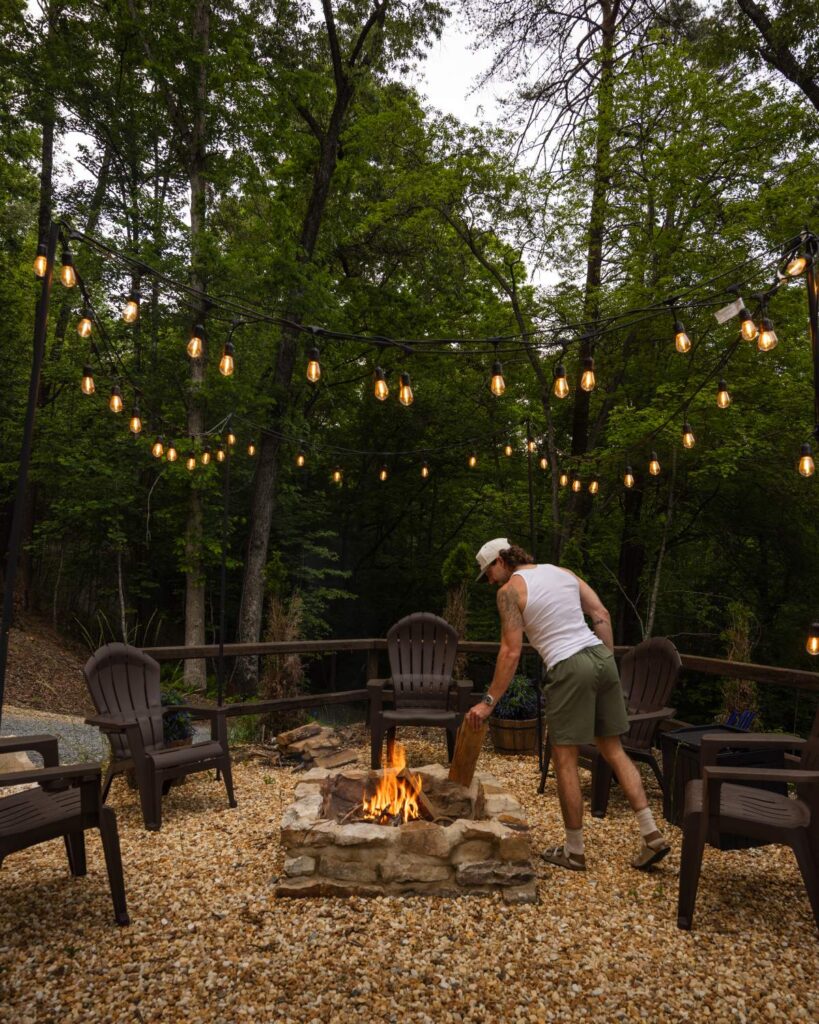
Long before screens brought us together, fire did. Photo by Thomas Millonig @thomasjmillonig
The Power of Fire
Fire changes how we connect. Studies show people around a fire have deeper conversations and feel more relaxed.
For most of human history, a campfire was the center of life. It offered warmth, protection, light, and a way to cook food. Many anthropologists believe those hours around the campfire were just as important as the meals. Once the day’s work was over, people gathered to tell stories, teach children, strengthen relationships, and pass along knowledge that couldn’t yet be written down. Around the campfire is where culture, memory, and community were built. Thousands of years later, our instincts haven’t changed as much as we think.
Maybe that’s why a fire pit still gets everyone to put their phones down.
The Mountains Feel Like Home for a Reason
The mountains satisfy something older in memory. They awaken the part of us that was built to seek, discover, and return home with a story.
Maybe that’s what we’re really searching for when we find ourselves scrolling Instagram Blue Ridge mountain cabins on a Wednesday afternoon.
If the science is right, that’s one of the best investments you can make. Maybe that’s why we keep returning to the mountains.
Not to escape life, but to remember how we’re meant to live it.
References
- Berman, M. G., Jonides, J., & Kaplan, S. (2008). The Cognitive Benefits of Interacting With Nature. Psychological Science.
- Kaplan, S. (1995). The Restorative Benefits of Nature: Toward an Integrative Framework. Journal of Environmental Psychology.
- Park, B. J., et al. (2010). The Physiological Effects of Shinrin-yoku (Forest Bathing). Environmental Health and Preventive Medicine.
- Kellert, S. R., Heerwagen, J., & Mador, M. (2008). Biophilic Design: The Theory, Science and Practice of Bringing Buildings to Life.
- Wrangham, Richard. (2008). Catching Fire: How Cooking Made Us Human. Basic Books.
- Ulrich, R. S. (1984). View Through a Window May Influence Recovery from Surgery. Science.